
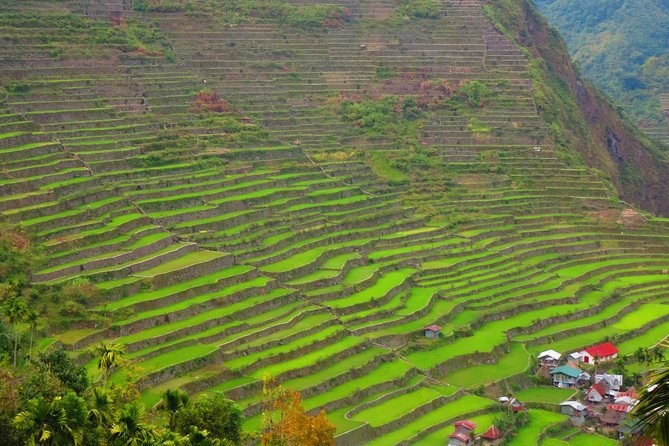
Banaue Rice Terraces Escape: 3 Days, 2 Nights with Transfers
From $500 per person
Check AvailabilityFull refund with 6 days’ noticeThe terraces are four completely different landscapes across one year, and the photograph that made you want to come was taken in exactly one of them. Bare earth and water in the winter, mirror-flat flooded paddies in the spring, deep green through the middle of the year, then gold at harvest. Here is which month gives you which.
Season affects the photograph far more than it affects whether a trip runs — every banaue rice terraces philippines tours listing operates year round. What changes is the colour, the crowd and the state of the trails.
| Months | The terraces | Weather | Best for |
|---|---|---|---|
| December–February | Ploughed and flooding; brown walls, sheets of water | Coolest and driest; cold at night | Reflections, clear ridge lines, comfortable walking |
| March–April | Flooded and newly planted; the mirror season | Dry and warming | Photography, and the Imbayah period |
| May–June | Filling in green | Hot, first rains arriving | The classic green terrace, fewer visitors |
| July–August | Deep green, at their fullest | Wet season; typhoons possible | Colour, if you accept the rain |
| September–October | Green turning; second harvest in places | Wettest, typhoon season | Quietest trails, lowest prices |
| November | Post-harvest; stubble and repair work | Rain easing | Seeing the walls being maintained |
What the terraces look like, month by month, and what the weather does.
Compare every Banaue Rice Terraces tour
After the harvest the terraces are ploughed and then flooded, and for several months they hold water. On a still morning the whole hillside reflects the sky, tier after tier, and the retaining walls read as dark lines between sheets of silver.
This is the version of these terraces that photographers travel for, and it coincides with the driest, coolest weather of the year. It is also the busiest period and the one where accommodation in Batad needs booking furthest ahead.
The rice grows in and the terraces turn the emerald green of the postcards. By July and August the colour is at its most saturated and the shape of every terrace is picked out by the crop rather than by water.
The trade-off is rain. The wet season runs from around June to October and the Cordillera catches a good deal of it. Trails become slippery, cloud sits in the valleys in the afternoons, and typhoons are possible. Trips still run.
Ripe rice turns the terraces gold, and harvest is done by hand across the whole system. Walking through it while families are cutting and carrying is the most alive these valleys look, and it is the shortest of the four windows.
Timing varies by cluster and by altitude rather than following a single national date, so this is one to ask an operator about when you enquire rather than to plan on to the week.
The dry months from December to April draw the most visitors, and the pinch point is not the viewpoint — it is beds. Batad village holds very few rooms, and a guided trip that includes accommodation has already solved that for you.
Independent travellers in February and March should book the homestay before the bus. The walk down from the saddle is described on the Batad Rice Terraces page, and it is not a walk you want to do twice in a day because the village was full.
September and October. That is the wettest stretch of the year and the one most travellers avoid, which means emptier trails, easier homestay availability and guides who are not working back to back.
If you have decent waterproofs and you care more about having Batad to yourself than about a cloudless photograph, this is a genuinely good trade. The terraces are still deep green.
The weather is one calendar and the farming year is another, and it is the second one that decides whether the terraces are full of people. Ploughing and flooding run through the cool months. Planting follows. Weeding and wall repair fill the middle of the year, and harvest is the short burst everybody wants to see.
Walking through a working terrace is a completely different experience from walking through an empty one, and several trips build a hands-on session into the day when the season allows it. Ask when you book rather than assuming, because the timing shifts by cluster and by altitude.
The two things people want are usually in tension. The clearest skies and the reflections come between December and April; the greenest terraces come between May and August, when it rains.
If the photograph matters most, come in February or March. If you want the terraces at full colour and can accept afternoon cloud, come in June or early July. If you want neither crowds nor a fixed plan, September and October will suit you better than either.
Typhoon season overlaps the greenest months, and a forecast can move at a few days’ notice. If your dates are not flexible, book one of the trips whose refund window is 24 hours rather than six days — the banaue rice terraces tour package comparison prints the window for every one.
Picked for what this guide covers, not for what sells.
From $500 per person
Check AvailabilityFull refund with 6 days’ notice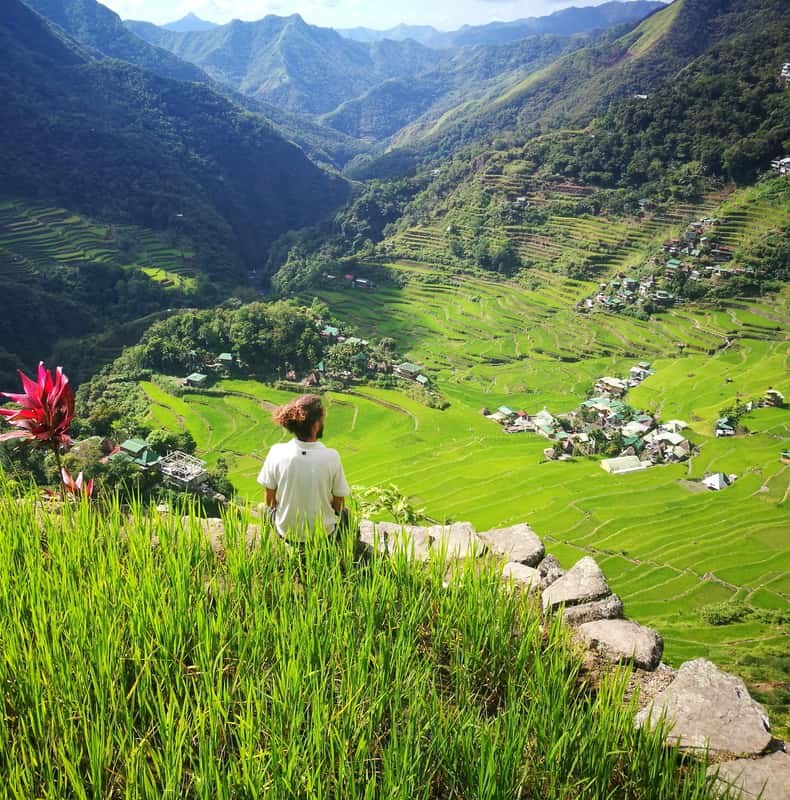
From $285 per person
Check AvailabilityFull refund with 3 days’ notice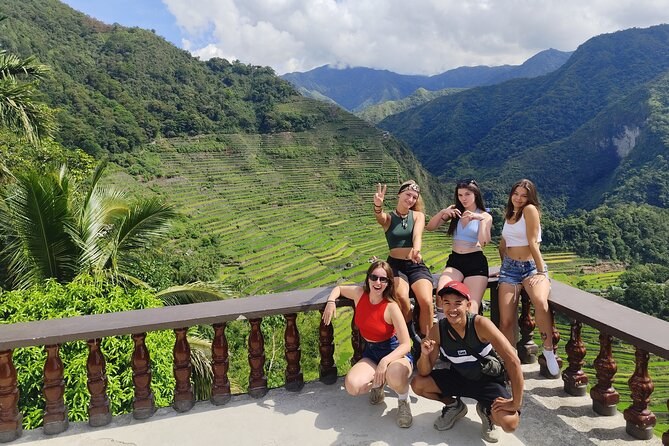
From $236 per person
Check AvailabilityFree cancellation up to 24 hours beforeEvery trip and its own refund window on Banaue Rice Terraces Tours.
Trips run in rain, and the Cordillera gets a lot of it between July and October. Trails become slippery rather than closed, and guides adjust the route. If you want the freedom to move your dates when a typhoon is forecast, book one of the trips with a 24-hour refund window rather than a six-day one.