
Planting, Green or Harvest: When the Banaue Rice Terraces Look Their Best
The short version
- December–April: flooded terraces mirroring the sky. Driest, coolest, busiest.
- May–August: deep green, at their fullest. Wet.
- June–July: gold at harvest, and the shortest window.
- September–October: wettest and quietest.
The photograph that made you want to come was taken in exactly one of four seasons, and the terraces look nothing like each other across them. Turning up in the wrong month does not ruin a trip, but it does mean seeing a different place from the one you pictured.
Here is which month gives you which. Every Banaue Rice Terraces Tours runs year round, so this is about what you see rather than whether you can go.
The rice cycle drives everything
These are working fields on a single main annual cycle, and their appearance is a direct read-out of where that cycle has got to. Ploughed and flooded, planted and greening, full green, gold, cut. Weather matters too, but the crop matters more.
Timing shifts by cluster and by altitude rather than following one national date, so treat the months below as the shape rather than the schedule. The history page covers why the calendar is carried in the hudhud chants rather than written down.
December to February: water and bare walls
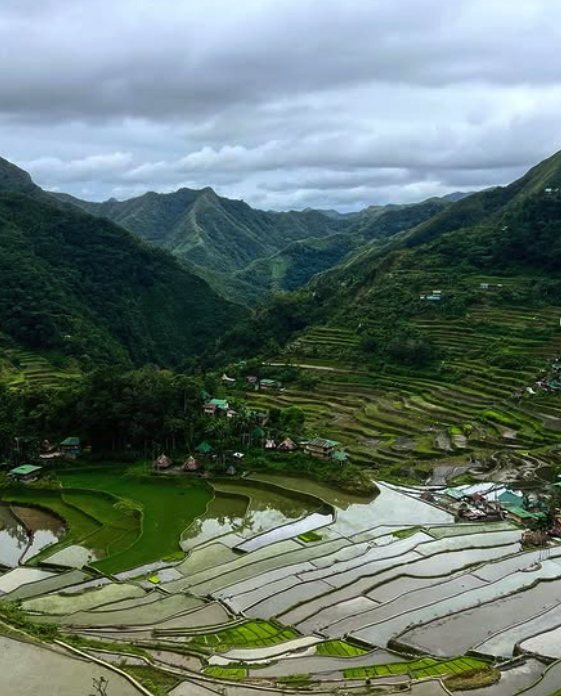
After the harvest the terraces are ploughed and flooded. Brown retaining walls stand between sheets of standing water, and on a still morning the whole hillside reflects the sky. This is also the coolest and driest stretch of the year, with the clearest ridge lines.
Nights are genuinely cold at this altitude. Bring a warm layer for the homestays, which are simple and rarely heated.
March to April: the mirror season
Flooded and newly planted, with young rice just breaking the surface. This is the version photographers travel for — tier after tier of silver with thin green lines through it — and it coincides with reliably dry weather.
It is the busiest period, and the pinch point is beds rather than crowds. Batad village holds very few rooms. A trip that includes accommodation has already solved that; independent travellers should book the homestay before the bus.
If the reflection shot is why you are coming, aim for February or March and walk in early. The water is stillest before the middle of the morning, and cloud tends to build in the valleys after lunch.
May to August: full green
The rice grows in and the terraces turn the emerald of the postcards, deepest in July and August. Every terrace edge is picked out by the crop rather than by water, and the valleys look their most alive.
The trade is rain. The wet season runs roughly June to October, trails become slippery, and cloud sits in the valleys in the afternoons. Trips still run and guides reroute around the worst of it.
| Months | The terraces | Weather | Crowds |
|---|---|---|---|
| December–February | Ploughed and flooding | Coolest, driest | Building |
| March–April | Flooded and planted — the mirror | Dry, warming | Busiest |
| May–June | Filling in green | Hot, first rains | Moderate |
| July–August | Deep green, fullest | Wet, typhoons possible | Moderate |
| September–October | Green turning | Wettest | Quietest |
| November | Post-harvest, walls under repair | Rain easing | Low |
What the terraces are doing, month by month.
Compare every Banaue Rice Terraces tour
Harvest: the short gold window
Ripe rice turns the terraces gold and the whole system is cut by hand. Walking through a harvest is the most alive these valleys look, and it is the briefest of the four windows — typically June into July, varying by cluster.
This is one to ask an operator about when you enquire rather than to plan to the week. Nobody publishes a harvest date, because it is not that kind of calendar.
September and October: the quiet trade
The wettest stretch of the year, and the one most travellers avoid. What you get in exchange is emptier trails, homestay availability without booking months ahead, and guides who are not working back to back. The terraces are still deep green.
With decent waterproofs this is a genuinely good trade, and it is the season to pick if having Batad largely to yourself matters more than a cloudless sky.
What the season does to the walking
Season changes the trails as much as the colour. In the dry months the paths are firm and the terrace walls are easy to read. From June the same walls are slick, the steps hold water, and the descent into Batad takes longer than the sign suggests. The Batad Rice Terraces page sets out that descent stage by stage.
None of this closes anything. It is an argument for boots with a real sole and for not planning the tightest possible itinerary in August.
Which season suits which trip
A trekking trip that crosses between villages is at its best in the dry months, when four to five hours on terrace walls is a pleasure rather than a negotiation. A trip built around viewpoints and a vehicle barely notices the season at all.
If you are coming in the wettest stretch and want to hedge, a route that reaches the clusters by road gives you a good day whatever the sky does. The terrace clusters page shows which ones a vehicle can reach.
Booking around a season
The mirror months are the ones worth booking early for, and the constraint is beds rather than seats: Batad village holds very few rooms and they go first. A trip that includes accommodation has already solved that, which is worth more in February than in September. Getting there covers the bus seats, which are the other thing that fills.
Typhoons, honestly
Typhoon season overlaps the greenest months and a forecast can move at a few days' notice. That is an argument for a flexible booking rather than for a different destination: choose one of the trips whose refund window is 24 hours rather than six days. Every window is printed on the banaue rice terraces tour comparison.
So which month?
February or March if the photograph matters most. June or early July for full green and a chance at harvest. September or October if you would rather have the trails to yourself. Best time to visit has the practical detail on each.
Every trip runs in all of them — compare them on Banaue Rice Terraces Tours.
Frequently asked
What happens if the weather is bad?
Trips run in rain, and the Cordillera gets a lot of it between July and October. Trails become slippery rather than closed, and guides adjust the route. If you want the freedom to move your dates when a typhoon is forecast, book one of the trips with a 24-hour refund window rather than a six-day one.
Are the terraces still farmed?
Yes, by the families who live among them. That is the whole point of a living cultural landscape and the reason the walking routes cross private land. Stay on the paths your guide uses and ask before photographing people at work.
What is the Imbayah Festival?
Banaue's largest cultural celebration, rooted in the feast that marked a family's rise to kadangyan status in traditional Ifugao society — gongs, dancing, rituals and shared food. It has historically run in April, roughly every three years. Check with the municipality before planning a trip around it, since editions are announced locally and dates move.
Tours that fit this trip
Green is the safe bet; the mirror season is the one worth planning around.
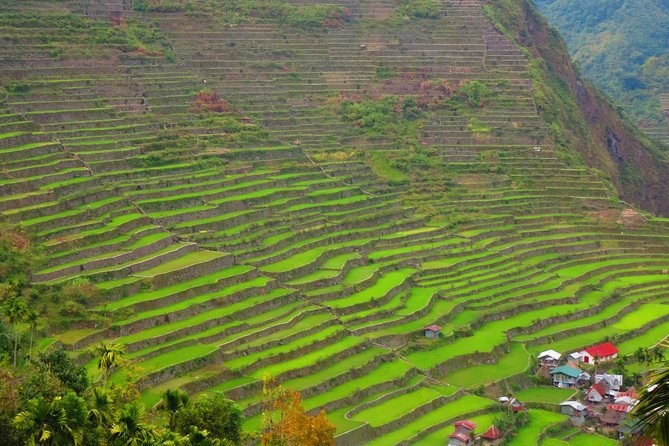
Banaue Rice Terraces Escape: 3 Days, 2 Nights with Transfers
From $500 per person
Check AvailabilityFull refund with 6 days’ notice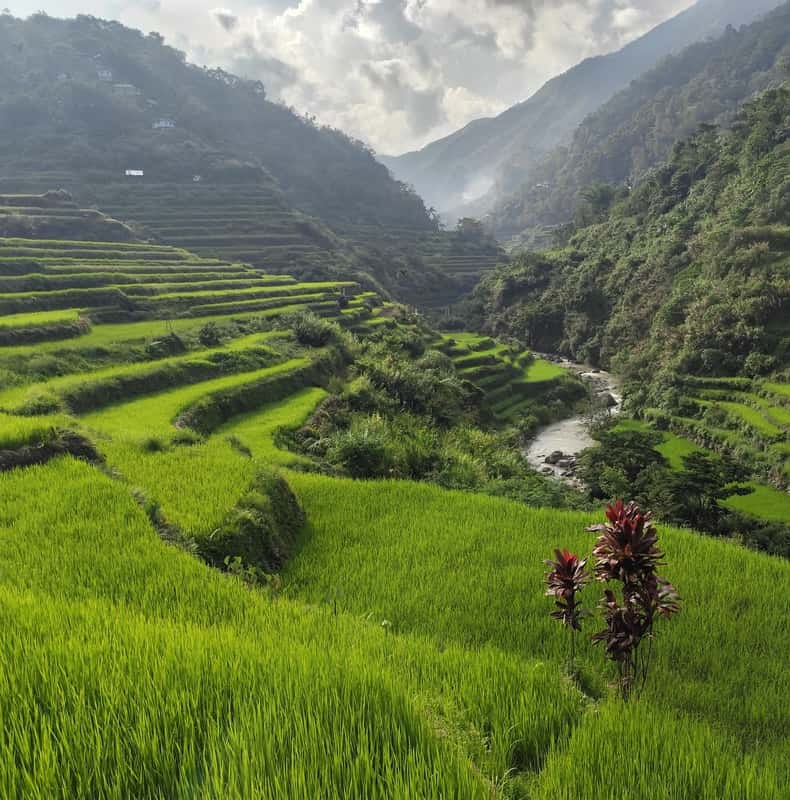
Banaue-Batad: 3-Days Guided Trek with Meals & Accommodation
From $214 per person
Check AvailabilityFree cancellation up to 24 hours before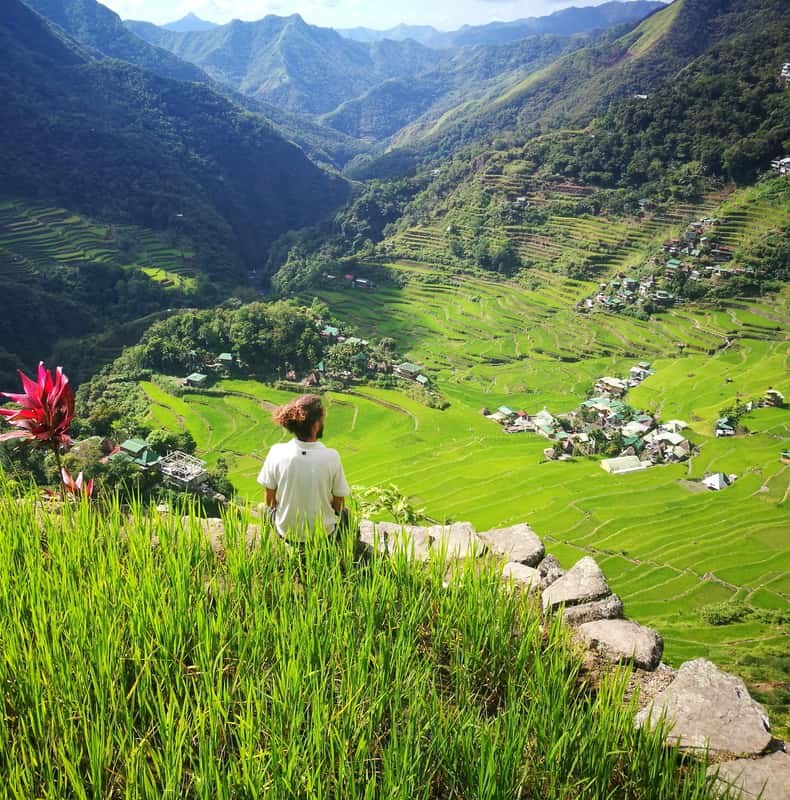
From Manila: 4-Day Sagada and Banaue Rice Terraces Tour
From $285 per person
Check AvailabilityFull refund with 3 days’ notice